
The Perfect Silver Jewellery Buying Guide for Men
For centuries, jewellery has been considered the language of power, prestige, and personal style. Kings wore crowns adorned with gemstones, warriors donned silver armlets for protection, and artists found expression through rings and pendants. Yet, in modern times, men often hesitate when it comes to jewellery beyond watches or wedding bands. Gold, with its weighty cultural baggage and soaring prices, has traditionally been the default—but silver is quietly rewriting that narrative.
Today, sterling silver jewellery is no longer confined to tradition or “feminine” categories. It has become the emblem of understated luxury, artistic rebellion, and accessible style for men worldwide. If you are considering investing in your first piece or expanding your collection, this guide explores why silver jewellery is the perfect choice, what to look for, and how men across eras and industries have used it to make a statement.
Why Silver is the Modern Man’s Metal
Silver, unlike gold, projects subtlety. It doesn’t demand attention—it earns it. In a world where men’s fashion increasingly values minimalism and versatility, silver blends seamlessly with formal suits, streetwear, or even traditional ethnic attire.
From a financial standpoint, silver is also far more accessible. With gold averaging ₹6,000 per gram in 2024 and silver around ₹75 per gram, silver allows men to experiment with multiple designs without overcommitting. This affordability explains why the global silver jewellery market is projected to grow at a CAGR of 6.2% through 2030 (Allied Market Research)—much of it driven by younger consumers, including men, who see jewellery less as an investment and more as an extension of personal identity.
The Historical and Cultural Weight of Silver in Men’s Fashion
Silver’s association with men is hardly new. Ancient Indian warriors often wore silver kada (bracelets) as protective talismans. In the Middle East, silver rings inscribed with verses were symbols of wisdom and faith. During the Mughal era, silver artefacts and jewellery were considered a reflection of refinement, worn by noblemen alongside embroidered robes.
Globally, silver reemerged in pop culture during the 20th century. Think of the 1970s rock icons—Jimi Hendrix, Keith Richards, or Freddie Mercury—who wore chunky silver rings and necklaces as part of their bohemian style. Closer to today, Hollywood and Bollywood actors alike have embraced sterling silver in photoshoots and campaigns. Johnny Depp’s silver rings and cuffs have become as recognisable as his characters. In India, Hrithik Roshan sported layered silver chains in fashion campaigns that underscored his mix of strength and elegance. Even iconic shoots of the 1990s featuring models like Arjun Rampal included oxidised silver jewellery to give a rugged, timeless appeal.
Silver, therefore, has always been more than metal—it’s been a canvas for masculinity in its many forms.
What Every Man Should Know Before Buying Silver Jewellery
Buying silver jewellery isn’t just about walking into a store and picking the shiniest piece. A little knowledge ensures you buy something that complements your style, lasts long, and carries real value.
1. Always Look for 925 Sterling
The global standard is 925 sterling silver, which means 92.5% pure silver mixed with 7.5% copper for strength. Pure silver is too soft to withstand daily wear. Check for hallmarks such as 925, .925, or “Sterling” engraved on the piece. In India, the Bureau of Indian Standards (BIS) hallmark provides additional authenticity.
2. Consider Your Style Personality
-
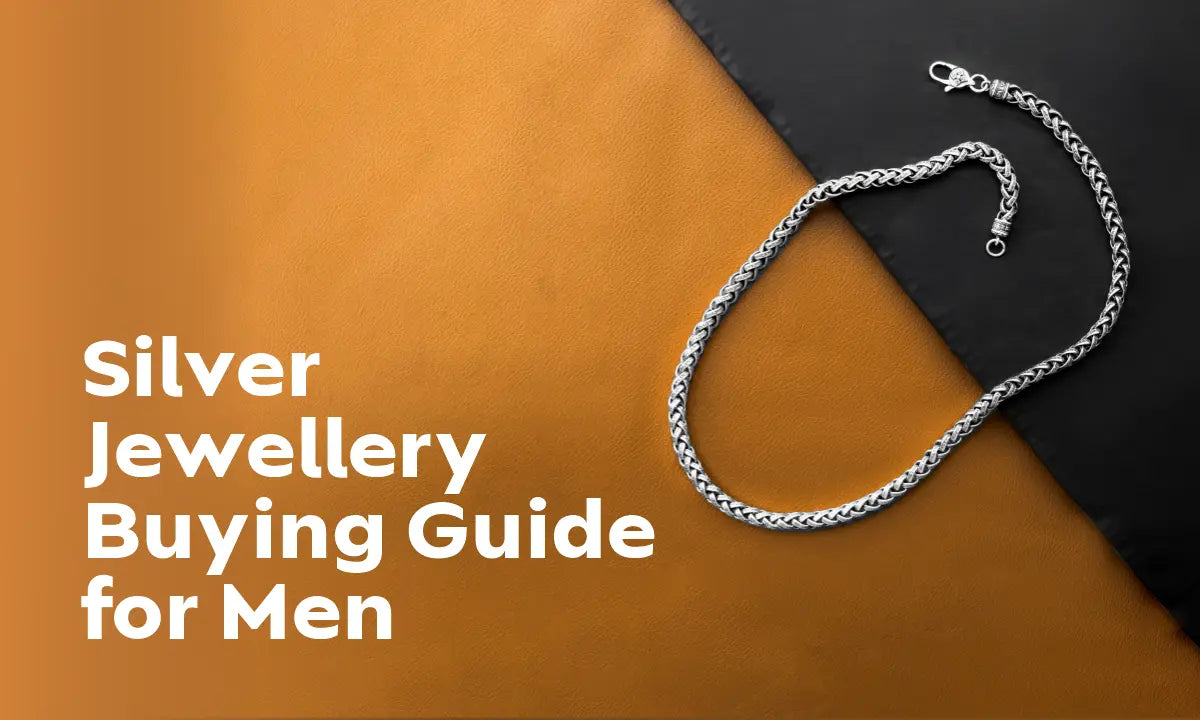
Minimalist: If your style is subtle, start with a slim bracelet, a pair of cufflinks, or a classic chain.
-
Bold: For a more striking look, opt for chunky rings, oxidised pendants, or statement cuffs.
-
Cultural: Kada, engraved rings, or silver buttons pair beautifully with ethnic wear.
The beauty of silver lies in its adaptability—it can be both quiet and loud, depending on the design.
3. Versatility Matters
Silver jewellery works across occasions:
-
Workplace: A sleek silver tie pin or cufflinks.
-
Casual outings: A chain or ring paired with denim.
-
Festivals or weddings: Kada or brooches that add flair to sherwanis and bandhgalas.
This flexibility makes silver a smarter everyday investment than heavy gold pieces that often remain locked away.
4. Pay Attention to Craftsmanship
Examine finishing details. Authentic silver jewellery should have smooth edges, even polishing, and secure clasps. Oxidised designs should look deliberate, not patchy. High-quality jewellery, like Silvogue’s dainty yet masculine pieces, are designed with precision to ensure both durability and comfort.
5. Don’t Overlook Maintenance
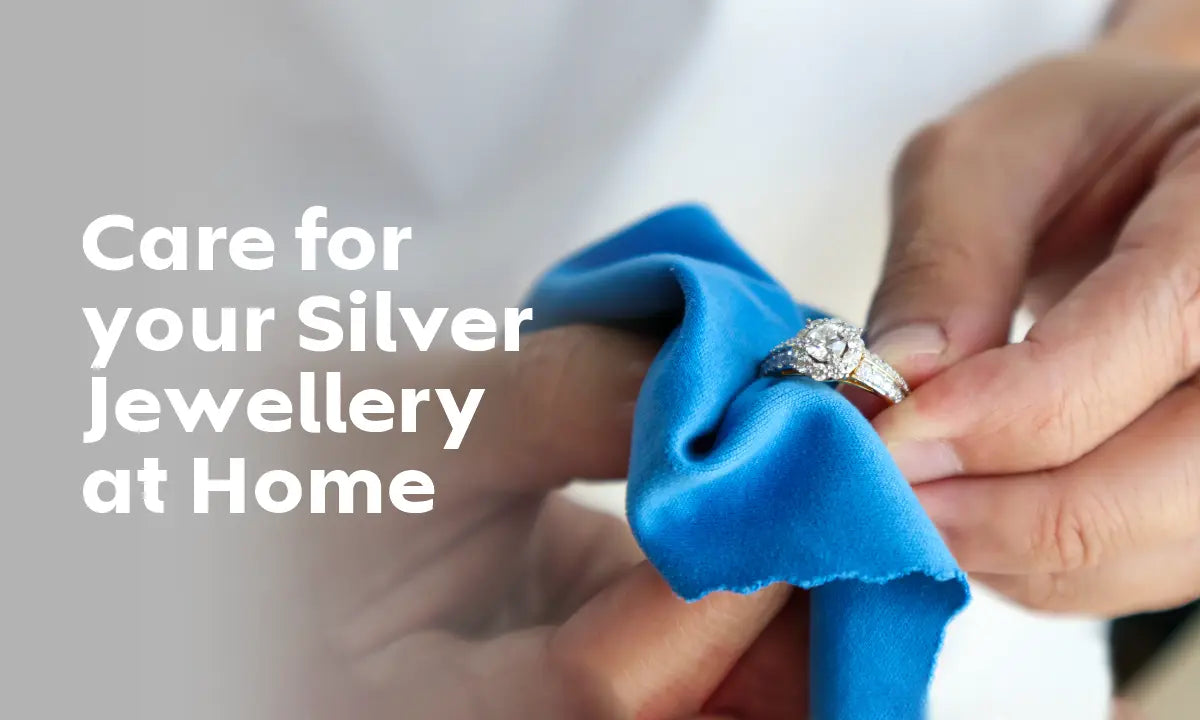
Silver tarnishes naturally due to its reaction with sulfur in the air. This is not a defect—it’s chemistry. Tarnish can be polished away easily. Regular cleaning with mild soap or a silver cloth keeps it shining. Store pieces separately in anti-tarnish pouches to avoid scratches.
Examples of Silver in Iconic Campaigns
Men’s silver jewellery has often been at the heart of unforgettable campaigns and photo shoots. A few examples:
-
David Beckham’s endorsement of silver pendants and rings helped redefine jewellery as fashionable for men in the early 2000s.
-
Ranveer Singh’s experimental campaigns frequently use oxidised silver kada and necklaces, merging tradition with modern eccentricity.
-
The “Ralph Lauren Denim & Supply” shoots in the US regularly featured silver jewellery layered with denim, reinforcing rugged masculinity.
-
In cinema, Shah Rukh Khan in “Asoka” wore silver cuffs and armour-inspired jewellery that blended history with stardom, while in global films, Viggo Mortensen’s Aragorn in The Lord of the Rings wore silver emblems symbolic of nobility.
These examples prove that silver jewellery is not only mainstream but also capable of shaping masculine imagery across industries.
Why Choose Silver Over Gold in Today’s Age
Gold may be revered, but it is often ceremonial, reserved for weddings and heirlooms. Silver, on the other hand, feels more democratic. It allows men to explore jewellery without heavy financial or cultural constraints.
Statistically, men are catching on: A 2022 Deloitte survey noted that 37% of urban Indian men aged 20–35 purchased silver jewellery for themselves in the past year, reflecting a growing comfort with accessorising. In Western markets, Euromonitor data (2021) showed a 9% year-on-year increase in men’s silver jewellery sales, particularly rings and chains.
Silver isn’t just jewellery anymore—it’s a fashion language men are finally ready to embrace openly.
Silvogue: Crafted for the Modern Man
At Silvogue by Ranka Jewellers, our men’s silver collections are designed with this very philosophy. From sleek everyday chains and cuffs to bold oxidised kadas and rings, every piece reflects both tradition and modernity. Backed by the trust of Ranka’s legacy, each design is hallmarked 925 sterling, ensuring authenticity and durability.
Whether you’re a first-time buyer or building a collection, our pieces let you explore jewellery as part of your individuality—affordable, stylish, and deeply personal.
Conclusion
Silver has moved beyond being the “second choice” to gold—it has become the first choice of the modern man. Rooted in history yet reinvented through fashion campaigns and personal expression, silver jewellery allows men to explore subtlety, boldness, or tradition without compromise. With rising demand, accessible pricing, and cultural resonance, silver is not just jewellery; it is a statement of who you are.