
Is Silver Jewellery a Smart Investment in 2026? A Practical Guide Based on Today’s Silver Prices
As we ask “Is silver jewellery a smart investment in 2026?”, we must separate emotional value from tangible financial value. Unlike gold, which carries deep cultural and financial weight in India and globally, silver has historically been considered a secondary precious metal. But recent price behaviour, industrial demand, jewellery market growth, and structural supply trends are redefining silver’s role — not just as adornment, but as a financial asset and hedging tool.
In 2025–26, silver’s price action has been remarkable, and understanding these trends can help you decide whether silver jewellery holds investment merit or whether its real value lies elsewhere, such as in bullion, ETFs, jewellery craftsmanship, or a blend of both.
Silver Prices in 2025–26: Record Rallies and New Highs
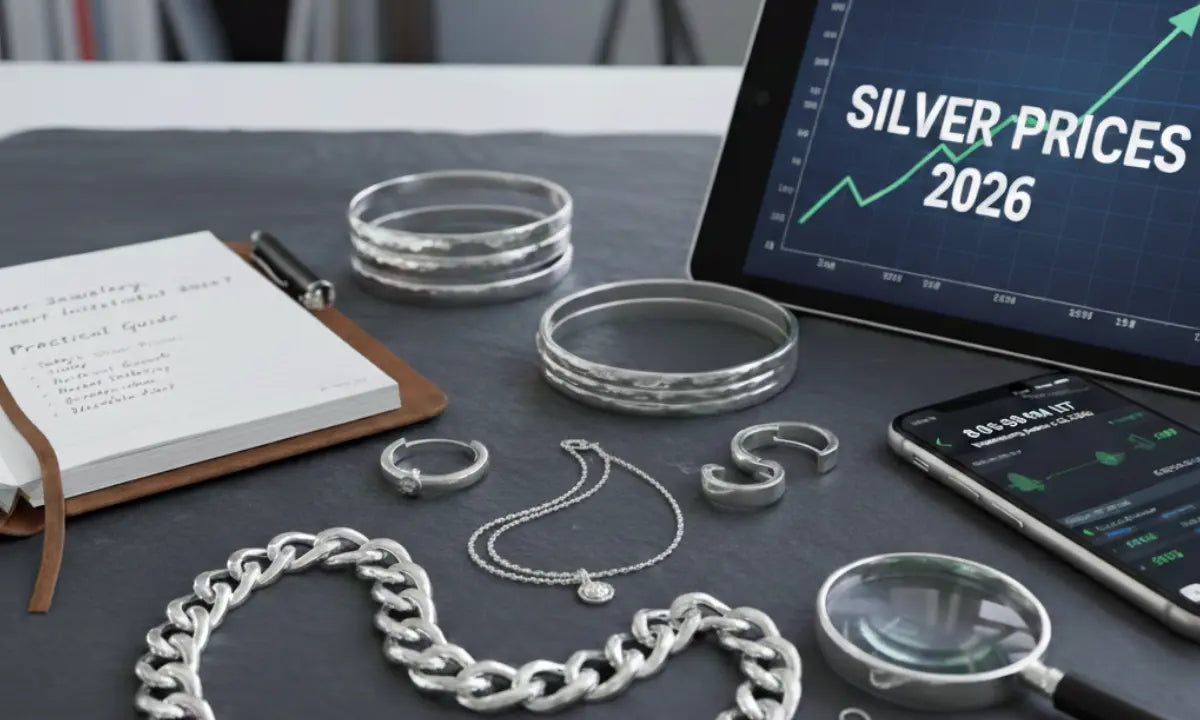
Silver has staged one of the most dramatic rallies of the decade. Historically, silver prices surged from about ₹90,500 per kilogram at the start of 2025 to over ₹2.55 lakh per kilogram by early 2026 — more than a 150% increase year-on-year.
Internationally, spot silver also broke records, climbing above $88–$90 per ounce for the first time in history in early 2026.
This explosive rally — one of the steepest in decades — has not only shifted how investors view silver but has also had a profound impact on silver jewellery prices because jewellery pricing often tracks underlying metal rates.
Why Silver Prices Have Risen So Sharply
There are several interconnected financial and structural drivers behind silver’s performance:
1. Structural Market Deficits
The global silver market has been in a multi-year structural deficit. According to industry surveys, the supply shortfall in recent years has persisted as demand from investors, industries, and technologies outpaced mining output.
A persistent supply deficit often underpins price support, especially for precious metals, and has contributed to silver’s bullish outlook.
2. Dual Demand: Industrial + Investment
Unlike gold, which is mostly driven by jewellery and investment demand, silver has a dual identity:
- It is a precious metal and safe-haven asset
-
It is also a critical industrial metal used in solar panels, electronics, EV components, and medical equipment
This combination strengthens silver’s long-term fundamentals compared with metals reliant on a single sector.
3. Safe-Haven and Macro Factors
Geopolitical tensions, central-bank monetary policy shifts, inflation expectations, and a weakening dollar have driven money into precious metals, including silver. Multiple reports in early 2026 showed escalations in silver prices as safe-haven bids intensified.
Silver Jewellery in the Broader Jewellery Market
While silver as a metal has seen a blistering price run, the global silver jewellery market also shows strong growth fundamentals:
-
The global silver jewellery market was valued at around USD 40.91 billion in 2024 and is projected to grow to about USD 53.77 billion by 2030 at a 4.66% CAGR.
Growth drivers include:
- Rising disposable incomes in emerging markets
- Fashion-driven adoption of silver jewellery
- Online jewellery retail expansion
-
Younger consumers seeking affordable precious metal alternatives
These demand trends mean silver jewellery remains a large and expanding market, even if its investment value is viewed differently from bullion or ETFs.
Jewellery vs. Bullion: Investment Realities
Silver Jewellery: Emotional and Functional Value
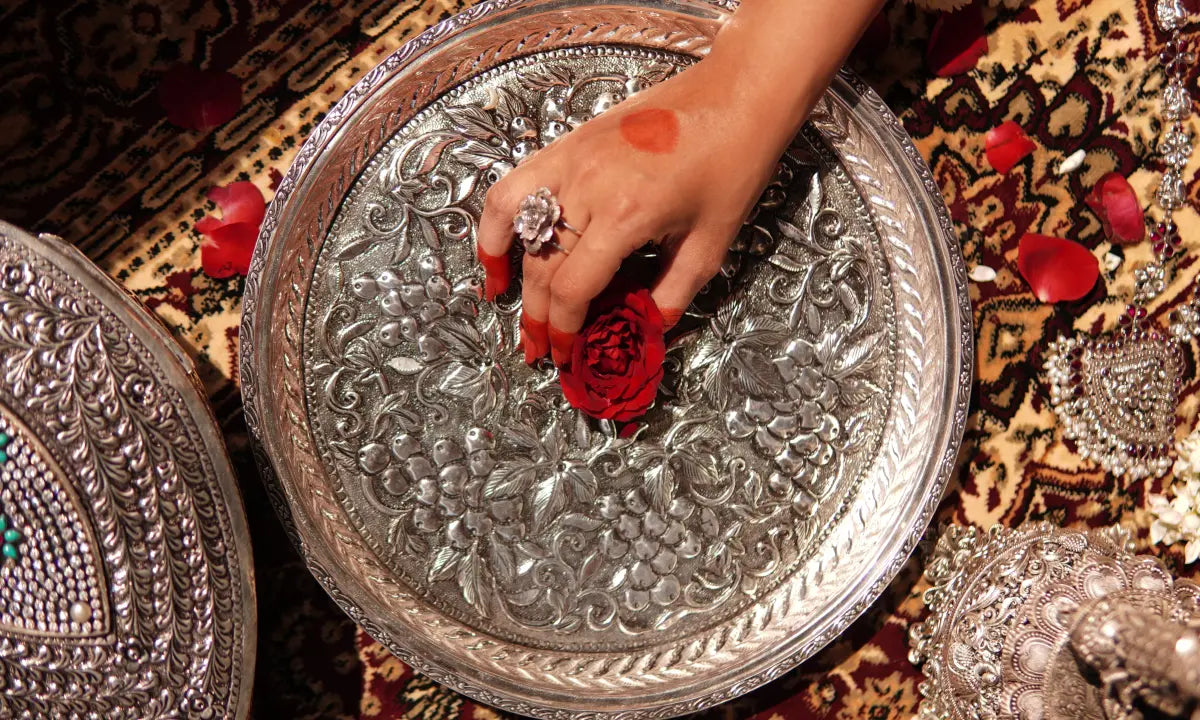
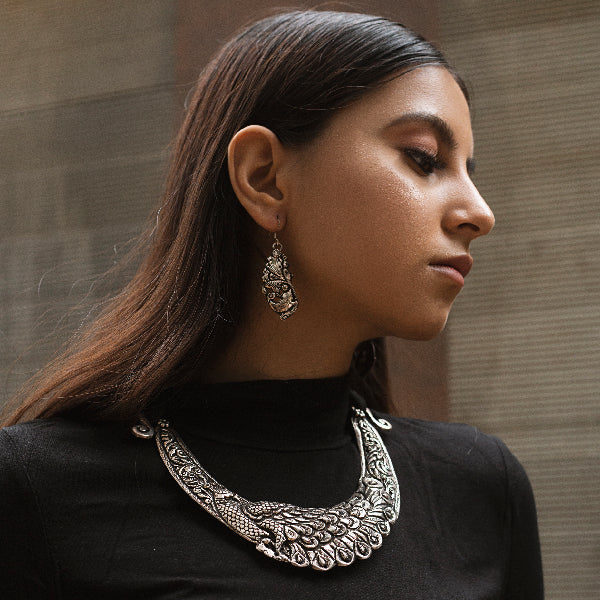
Silver jewellery delivers emotional and functional value. It adorns, signifies identity, gift occasions, and expresses personality. This non-monetary value is real for many owners, especially when tied to designs, craftsmanship, and brand trust (for example through legacy narratives like of the Rankas and entailing design quality.
However, when it comes to pure financial investment, jewellery differs from bullion because:
- Manufacturing, design, and retail costs do not accrue value like pure metal
- Making charges and brand premiums are not recovered on resale
-
Resale markets for jewellery often underprice compared with bullion resale
Silver Bullion and Financial Instruments
If your primary goal is financial investment, traditional vehicles may include:
- Physical bullion (coins and bars)
- Silver Exchange-Traded Funds (ETFs)
- Mining stocks
-
Commodity futures
Experts sometimes suggest a diversified approach with a small metal allocation (often 3–5% of a portfolio) to hedge inflation or macro risks.
Bullion specifically trades closer to spot silver prices and can more faithfully track underlying metal moves than jewellery.
Are Silver Prices Forecast to Continue Higher in 2026?
Forecasts vary, but market analysts point to a generally elevated price band for silver in 2026, though with volatility risks:
- One forecast range sees silver averaging between $65 and $80 per ounce, with upside risks near $95–$100 under sustained structural deficits.
-
Other projections suggest continued momentum from supply constraints and safe-haven interest in precious metals.
Domestically, estimates from brokerages highlight potential silver levels near ₹3 lakh per kilogram by late 2026, reinforced by rising structural demand and limited supply availability.
However, not all expectations are uniformly bullish. Some analysts caution that volatility will remain high as markets balance industrial demand, investment flows, global economic data, and central bank policies.
Practical Investment Considerations
If you are evaluating silver jewellery as an investment in 2026, keep these practical points in mind:
1. Jewellery Is Not Pure Metal Exposure
Jewellery prices incorporate design, craftsmanship, brand value, and retail margins — all of which dilute pure metal exposure. Your financial gain from rising silver prices will be muted compared with bullion.
2. Jewellery Offers Emotional, Not Just Financial, Value
Silver jewellery carries wearability and personal significance, which bullion does not. For many consumers, jewellery combines aesthetic and sentimental value with residual metal value.
3. Liquidity Matters
If investment liquidity is paramount, silver bullion, ETFs, or futures may outperform jewellery because they trade closer to spot prices and are easier to liquidate with lower spreads.
4. Market Timing and Volatility
Precious metals, including silver, remain volatile. Price surges can reverse quickly, and analysts continue to emphasise potential swings in 2026.
Silver Jewellery, Culture, and Long-Term Perspective
Silver jewellery investment should be judged across two lenses:
- Short-term metal price speculation (bullion and financial instruments)
-
Long-term wearable value (jewellery as cultural, emotional, and material asset)
The latter is where silver jewellery historically shines. Investing in well-crafted, timeless jewellery can be rewarding if you value both aesthetics and the underlying metal’s rising trajectory.
For deeper context on silver’s cultural and design value — especially with trusted craftsmanship and quality standards — consider exploring pages that discuss material certification, design philosophy, and how Silvogue brings Jewellery expertise forward from legacy houses like Ranka Jewellers.
Final Verdict: Silver Jewellery as an Investment in 2026
So, is silver jewellery a smart investment in 2026? The answer depends on your goals:
- If you prioritize wearability, emotional value, and long-term cultural significance, high-quality silver jewellery remains meaningful and may retain decent metal value over time.
- If your primary aim is pure financial return tied to silver prices, other silver instruments (bullion, ETFs, futures, etc.) are likely more efficient.
- If you want a hybrid strategy, combining jewellery acquisition with metal-focused instruments can balance aesthetic and financial objectives.
Silver jewellery is no longer merely an alternative to gold — it is an investment category with its own dynamics — but it must be understood not as bullion mimicry, but as a wearable asset with embedded cultural and craftsmanship value.