
The Future of Silver Jewellery: Trends to Watch in 2026
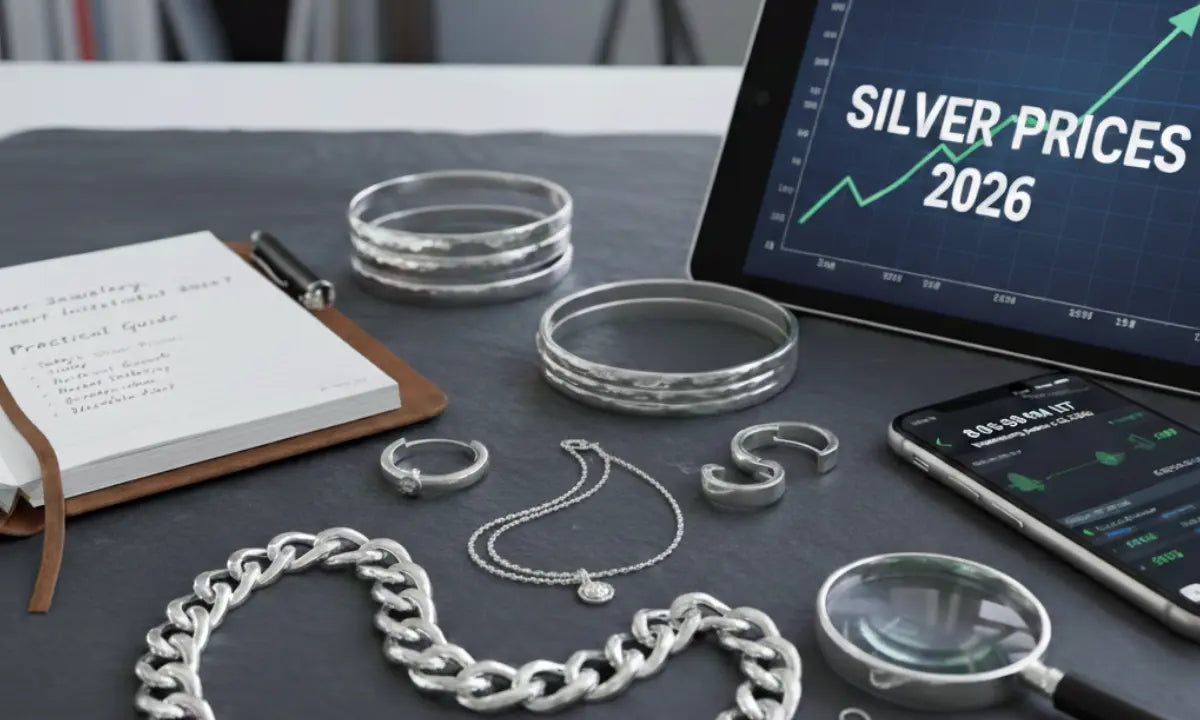
The Future of Silver Jewellery: Trends to Watch in 2026 is being shaped by a fundamental shift in how people buy, wear, and value jewellery. Silver jewellery is no longer viewed as an alternative or secondary choice; it is emerging as a category defined by design intelligence, ethical awareness, everyday relevance, and digital-first discovery. As we move into 2026, silver jewellery sits at the intersection of affordability, craftsmanship, and modern self-expression.
This evolution is especially visible in India, where younger buyers are redefining jewellery beyond weddings and heirlooms, and beyond occasional wear. Understanding these trends is essential for anyone looking to invest in, design, or shop silver jewellery in the coming years.
1. Silver Moves from “Occasional” to Everyday Essential
One of the most defining trends of 2026 is the repositioning of silver jewellery as an everyday essential rather than an occasional accessory. Consumers are increasingly choosing jewellery that integrates into daily life, office wear, travel, and casual settings.
This shift is driven by:
- Lightweight, wearable designs
- Comfort-first construction
-
Minimal silhouettes that work across outfits
Silver’s natural versatility allows it to blend into modern wardrobes without overpowering them. Brands that understand this everyday relevance are seeing stronger engagement and repeat usage rather than one-time purchases.
To understand how modern silver jewellery is designed for daily wear, explore brand philosophies and design approaches on our About page.
2. Design-Led Minimalism Becomes the New Luxury
In 2026, luxury is increasingly defined by restraint. Clean lines, thoughtful proportions, and understated detailing are replacing heavy ornamentation. This trend is not about removing beauty, but about refining it.
Key design directions include:
- Geometry-driven forms
- Negative space and open structures
- Symbolic shapes with personal meaning
-
Reduced stone usage with higher craftsmanship focus
Silver jewellery thrives in this space because it allows designers to highlight form and finish rather than rely solely on material value. Minimalism also aligns with longevity; designs that are not trend-heavy remain relevant for longer periods.
3. Certification, Transparency, and Material Awareness
Consumers in 2026 are far more informed than before. They want to know:
- What metal is used
- How it is sourced
- How it is finished
-
How long it will last
This has led to increased emphasis on certified silver standards such as 925 sterling silver and clearer communication around quality benchmarks. Transparency is no longer optional; it is a trust requirement.
Brands that openly educate customers through dedicated informational pages, such as [Silver Purity & Certification – Internal Link Placeholder], are better positioned to earn long-term credibility rather than transactional attention.
4. Sustainability as a Baseline, Not a Feature
Sustainability in jewellery is shifting from a marketing feature to a baseline expectation. In 2026, buyers expect brands to be mindful of:
- Responsible sourcing
- Reduced waste in production
- Long-lasting designs over fast trends
-
Packaging and logistics impact
Silver jewellery fits naturally into this mindset because it is durable, recyclable, and designed for longevity. Consumers are increasingly choosing fewer, better pieces rather than frequent replacements.
Brands with legacy manufacturing values and controlled production processes, often rooted in traditional jewellery houses, tend to adapt more seamlessly to this shift. Heritage-backed ecosystems like the Ranka legacy offer insight into how craftsmanship and responsibility intersect.
5. Rise of Digital-First Jewellery Discovery
The way customers discover silver jewellery has changed dramatically. By 2026, digital-first discovery is dominant. Buyers research, compare and evaluate jewellery online long before making a decision.
Key behaviours include:
- Reading buying guides and educational blogs
- Browsing curated collections digitally
- Evaluating brand credibility before purchase
-
Preferring clarity over aggressive selling
This has made content-driven jewellery platforms more influential than traditional storefronts. Brands that invest in structured content hubs, buying guides and educational resources build authority beyond catalog listings.
6. Gender-Neutral and Fluid Design Language
Another strong trend shaping the future of silver jewellery is the rise of gender-neutral design. Traditional divisions between men’s and women’s jewellery are softening, giving way to forms that prioritise expression over categorisation.
Silver jewellery’s neutral tone makes it ideal for:
- Unisex rings and bracelets
- Minimal pendants and chains
-
Designs that adapt across styles
This trend aligns with global fashion movements and reflects a broader cultural shift toward inclusivity and personal interpretation.
7. Emotional Meaning Over Visual Excess
In 2026, jewellery is increasingly chosen for what it represents rather than how loudly it sparkles. Buyers are drawn to pieces that carry:
- Symbolic shapes
- Personal narratives
- Emotional relevance
-
Subtle storytelling
Silver jewellery allows for this emotional layering without visual heaviness. Meaning-driven design creates stronger attachment and longer retention, making jewellery feel personal rather than ornamental.
This philosophy is often reflected in brand storytelling,where intention is prioritised alongside aesthetics.
8. Influence of Heritage Brands in Modern Silver
While the market is becoming more contemporary, heritage still plays a critical role. Brands backed by long-standing jewellery families bring discipline, quality control, and material understanding that newer players often lack.
In 2026, the most trusted silver jewellery brands will be those that successfully bridge:
- Traditional craftsmanship
- Modern design sensibilities
-
Digital accessibility
Legacy-driven ecosystems like the Ranka jewellery lineage continue to influence quality benchmarks even as design language evolves.
9. Content-Led Buying Decisions
Another defining trend is the role of content in shaping purchase decisions. Buyers increasingly rely on:
- Buying guides
- Trend articles
- Care instructions
-
Educational explanations
This content-first approach reduces uncertainty and builds confidence, especially in online jewellery shopping. Well-structured informational pages contribute directly to trust and conversion without overt selling.
Final Thoughts: What 2026 Means for Silver Jewellery
The future of silver jewellery in 2026 is clear: it is thoughtful, transparent, design-led, and deeply connected to everyday life. Silver is no longer positioned as a compromise; it is a conscious choice rooted in aesthetics, practicality, and personal meaning.
Brands like Silvogue, shaped by modern design thinking and backed by the Ranka legacy, reflect how silver jewellery is evolving responsibly rather than reactively. As trends continue to favour clarity over excess and intention over impulse, silver jewellery stands poised to define the next chapter of modern adornment.